A feature from Nadja
The materials
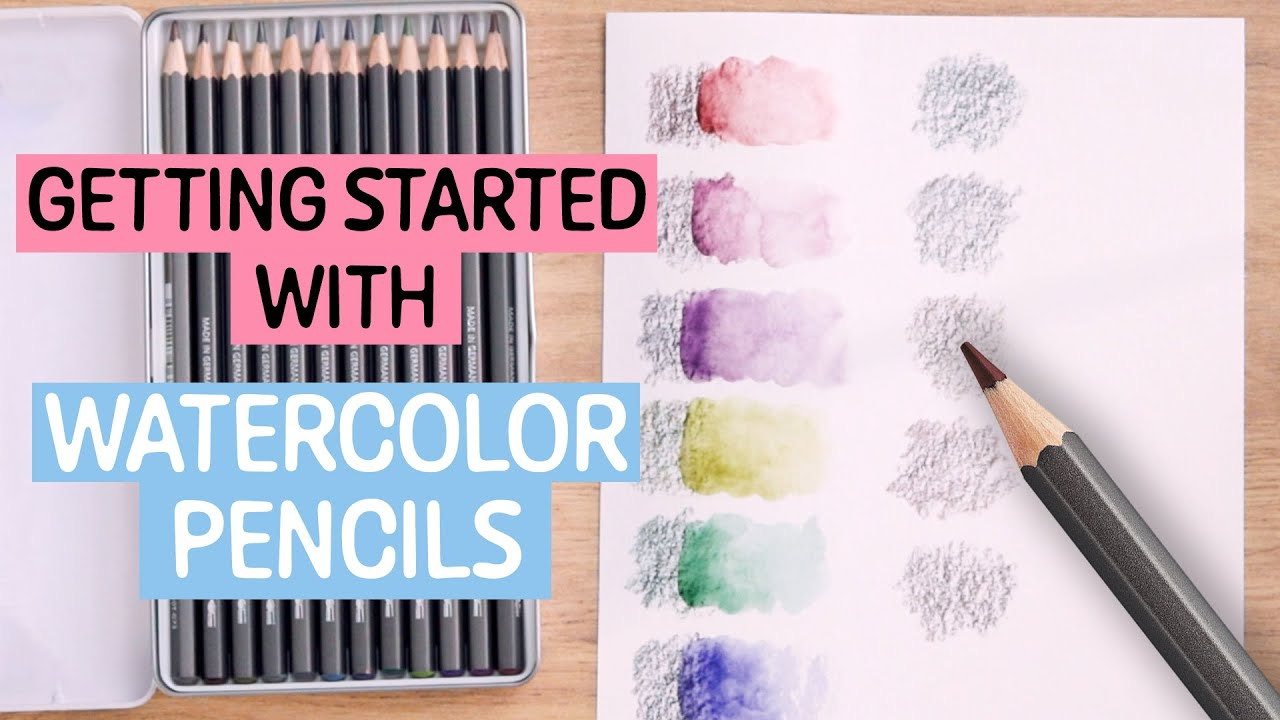
Painting with watercolor pencils is easy if you know a few basic rules. First of all, you should have everything ready that you need to paint with the watercolor pencils:
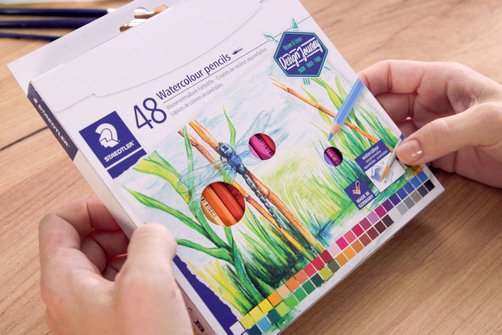
Watercolor pencils:
Choose a color set that contains the most important basic colors. These open up more design possibilities and make your watercolors look more realistic.
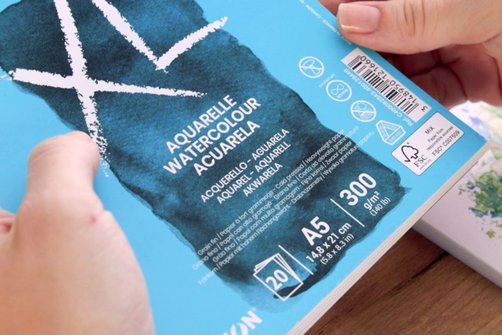
Watercolor paper:
It is best to use paper from a watercolor block with a structured surface and a minimum weight of 200 to 300 g/m2.
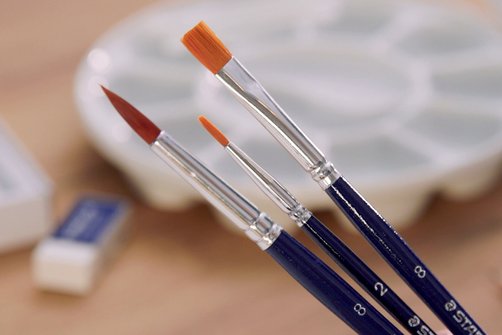
Brushes:
The undisputed classic is the round brush, which has a round opening and tapered brush hairs. A small round brush is best suited for fine details, the larger counterpart for large areas. For watercoloring corners and edges, however, you should use a flat brush.
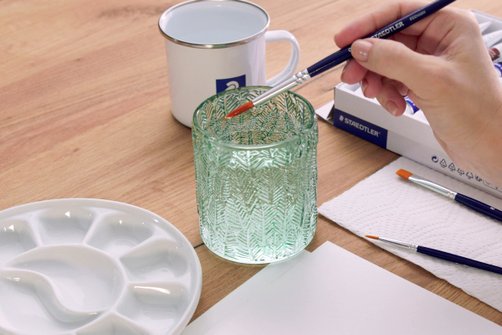
Water glass:
Having a glass full of water nearby is necessary for painting with watercolors to wet your brushes. You should change the water regularly as soon as it becomes too discolored.
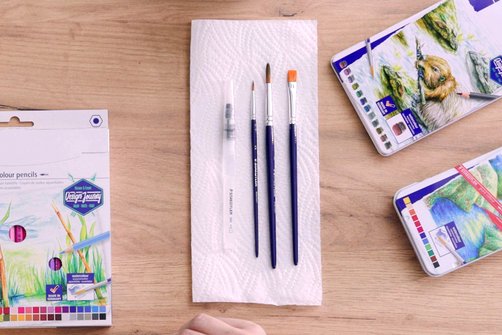
Paper towel:
Paper towels are handy to have close by as you will occasionally use them to squeeze the brushes.
What painting techniques are there?
The good thing about watercolor pencils is that you can also use them like conventional colored pencils to draw and hatch with them on normal paper (copy/sketch paper). They have a slightly softer lead so that the pencils release a lot of color with little pressure. The special thing about watercolor pencils, however, is that they are watercolorable.
There are a few techniques you can use to paint with watercolor pencils. Nadja shows you which ones in the video.
IMPORTANT:
Since a lot of water is used for painting watercolors with pencils, you should definitely use special watercolor paper.
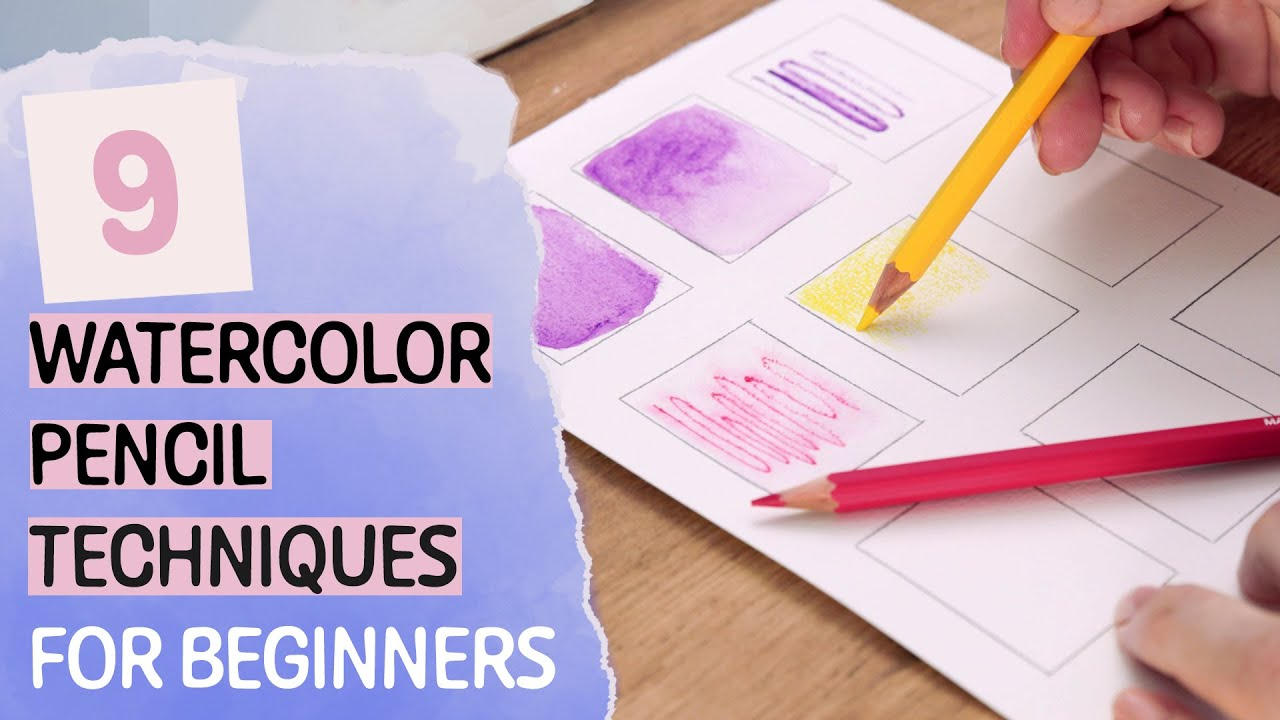
9 techniques for painting with watercolor pencils
There are 9 basic techniques that you can use and try out when painting with watercolor pencils. Download the exercise sheet for the techniques beforehand to use during the video.
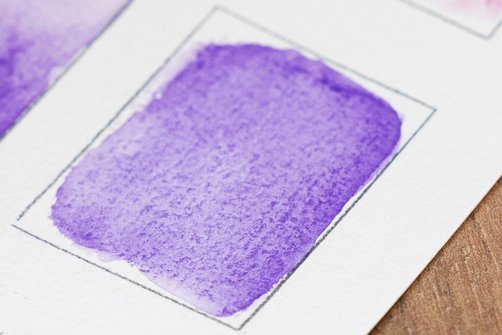
#1: Flat wash
Color an area with the watercolor pencils and then wet it with a little water. Make sure that the watercolor pencils are applied as evenly as possible. You can also make the surface more even with your brush strokes.
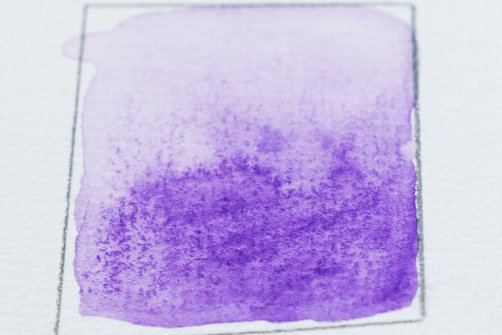
#2: Gradient wash
With the gradient wash technique, apply the color more prominently at one end and then let it run out. To do this, apply more pressure to the color pencil at one end. Reduce the pressure towards the lighter side. Where you want the area to be the lightest, do not apply any pigments with the color pencil. Only a few pigments are "pushed" here with water and brush.
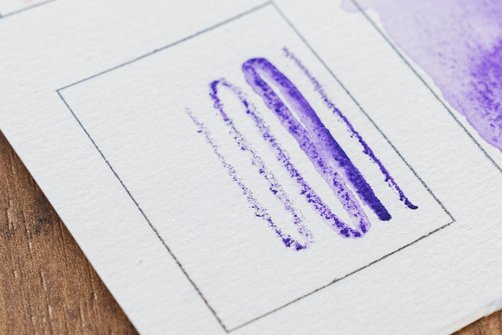
#3: Damp watercolor pencil on dry paper
For this technique, dip the tip of your watercolor pencil into a small container of water. Then you draw soft lines on dry watercolor paper, which will immediately flow discreetly. To use this technique, you need to wet the watercolor pencil at short intervals, as the tip dries quickly.
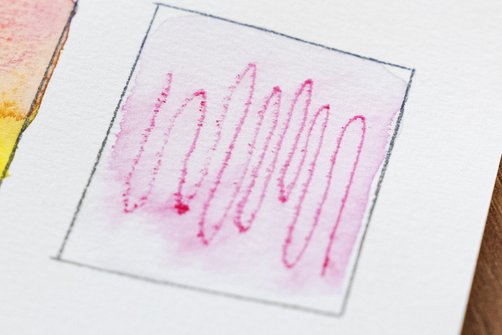
#4: Dry watercolor pencil on wet watercolor paper
Another technique: Moisten the paper with water beforehand. You can spray it or apply a thin layer of moisture with a brush. When you color the paper with the watercolor pencils, the colors will melt and create beautiful gradients.
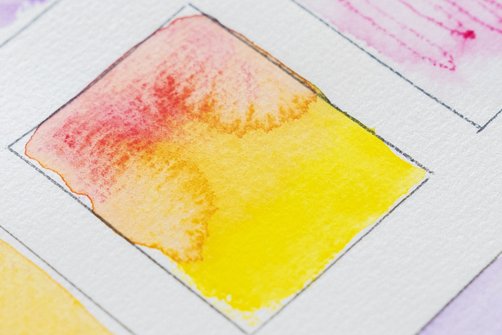
#5: Color transitions
With this technique, you first apply the colors with the watercolor pencils to the dry watercolor paper. Then you paint everything with a brush and water. Important: When applying the pigments with the watercolor pencil, you can already draw a thin layer of both colors on top of each other where the colors are to mix. When you add water, the colors will blend seamlessly.
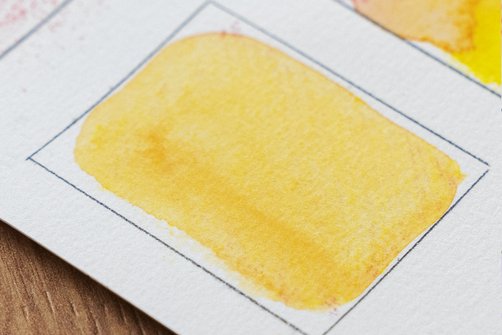
#6: Mixing colors
You can also mix your own color that is not included in the watercolor pencil palette. Apply two colors dry on top of each other and then dissolve them with water so that they mix on the paper.
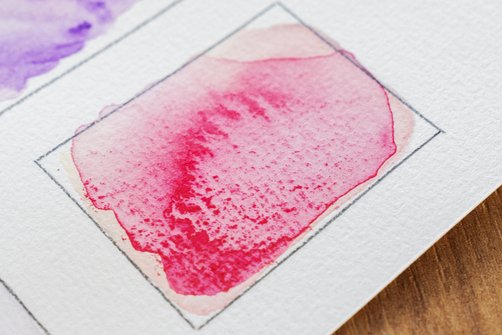
#7: Wet-on-dry
You can also work with watercolor pencils in several layers of wet-on-dry. Blend a first layer of color with water and let it dry completely. To achieve more depth or a darker color, you can color a second or third layer and blend it again with water.
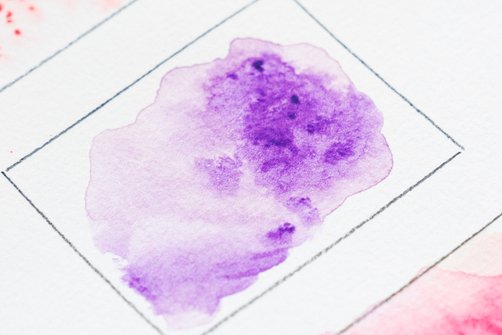
#8: Pencil tip color
You can also moisten the tip of the watercolor pencil with water to dissolve the pigments. You can then pick them up with the brush and draw with them.
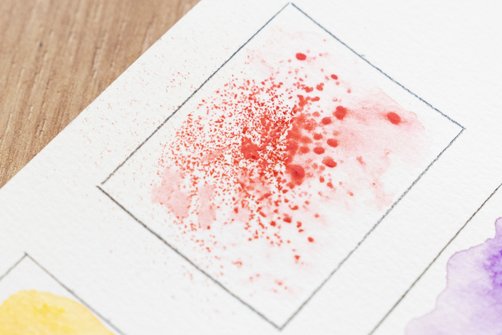
#9: Sandpaper technique
Create random effects or structures when drawing with your watercolor pencils by spreading pigments from the lead on the paper and dissolving them with water. Here you can experiment and try out a lot of designs.
Painting with watercolor pencils: Find more inspiration here
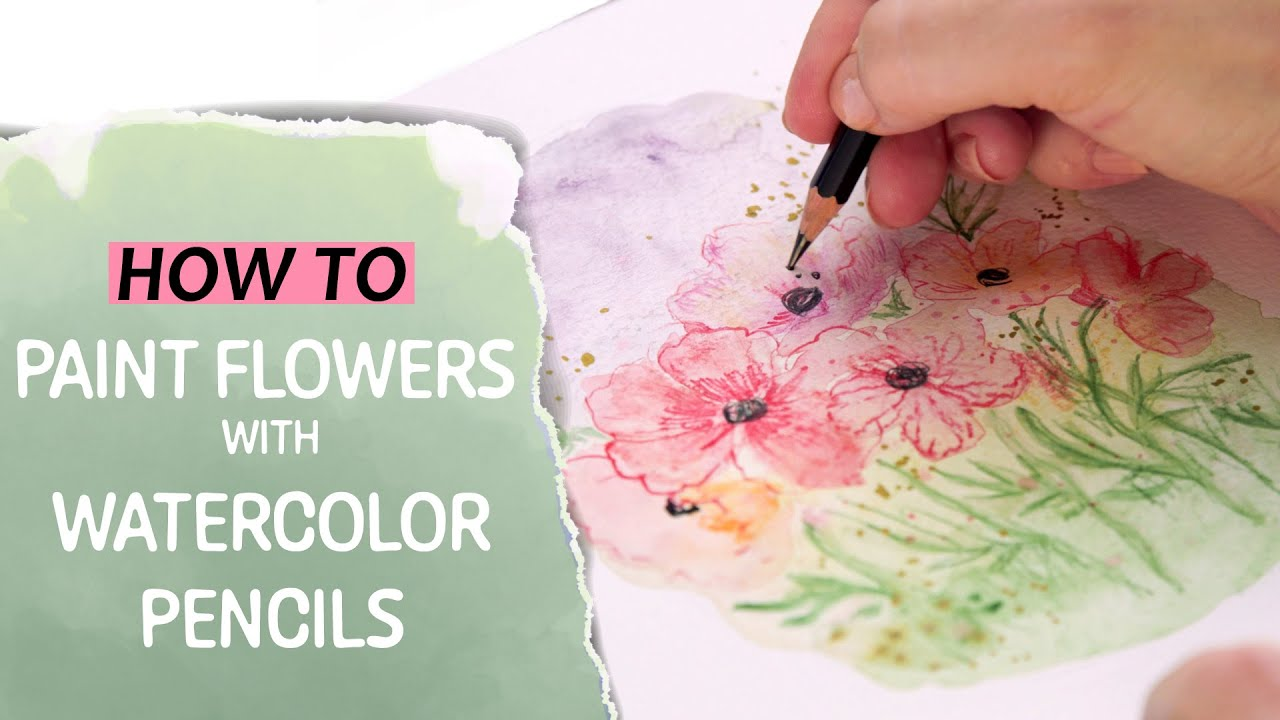
Do you want to try out the techniques yourself and experiment with your watercolor pencils? Then get started straight away! In the video below, Nadja shows you how she paints a poppy meadow using different techniques.
Download our free template for painting with watercolor pencils for beginners to use during the video and get started.
Want to see how to transfer the template to watercolor paper again? Nadja explains it step by step in this video on our page for getting started with watercolor painting.
Mixed media tutorial
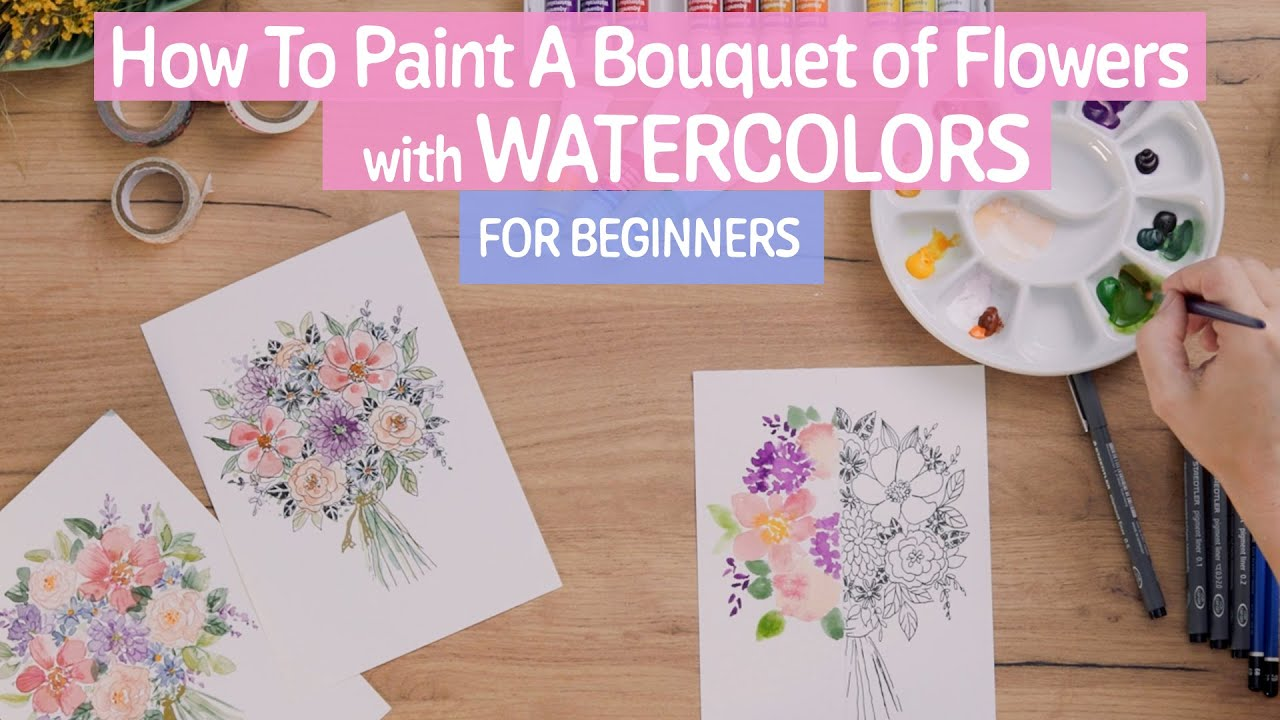
You can also combine different techniques and products in one watercolor painting. You can find out exactly how to do this in this video.
Download the motif template to use during the video.
Want more inspiration from other artists?
Once you've created your first image, link to us on social media with the hashtag #myDesignJourney!
How do watercolor pencils differ from watercolor paints and crayons?
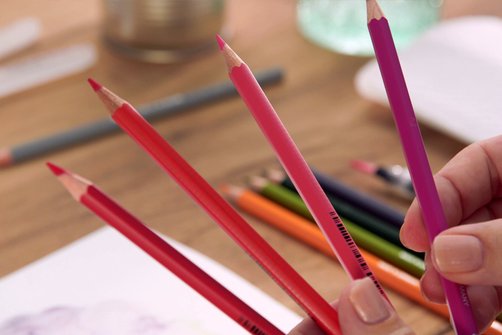
How do watercolor pencils differ from watercolor paints?
Painting with watercolor pencils is particularly suitable for beginners who are not yet as skilled with a brush as they offer the control of a pencil while allowing for beautiful watercolor effects. They are also easy to carry and the perfect all-rounder for on-the-go watercolor drawing.
You can create artistic images with pencils just as you can with watercolor paints - the only difference is that colors from paint tubes have a slightly more intense pigmentation than watercolor pencils.
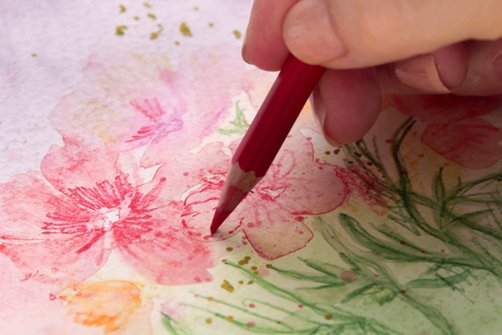
How do watercolor pencils differ from colored pencils?
Visually, watercolor pencils differ from regular colored pencils by having a small brush symbol embossed on them. Their shape makes them extremely handy and allows for easy color application. You can create dry drawings with them or paint your drawings with water.
Finally, the lead of the watercolor pencils is the most important distinguishing feature from conventional colored pencils. While the ingredients of the watercolor lead are very similar to the waterproof lead, it contains additional substances to achieve watercolorability. This allows you to apply colors in a glazed way and create a transparent look. Or you can use the watercolor pencils to accentuate the contours and lines of your watercolor painting to give it more expression and depth.
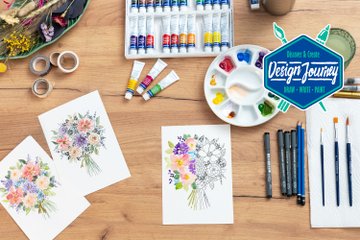
The products used in this course


Other materials needed:
- Watercolor paper
- Mixing palette
- Water container with water