Scientific Funding Projects
Since its inception, the STAEDTLER-Foundation has supported over 630 scientific and cultural projects. Here are some examples of current projects:
Friedrich-Alexander University Erlangen-Nürnberg (FAU)
Framework Project "Innovation and Knowledge Creation": Emerging Research at FAU
Friedrich-Alexander University Erlangen-Nürnberg (FAU) focuses its research intensively on the central challenges of our society in the 21st century. In doing so, novel research methods are addressed and future fields are identified. Since 2018, the STAEDTLER-Foundation has been promoting socially relevant research ideas from all disciplines at FAU through the framework project "Innovation and Knowledge Creation." This initiative emphasizes innovative solutions and novel methods. In researching forward-looking topics, emerging research fields are gaining increasing importance. These areas are often considered 'scientific frontier,' typically situated at the boundaries of different disciplines. They can only be explored through the cooperation of various research disciplines and perspectives.
These emergent research projects are successfully identified at FAU via the profile-building research fiels - a multi-stage evaluation process involving highranking international scientists. Based on this "seal of quality," the STAEDTLER-Foundation can specifically support emerging projects with high societal importance and innovative potential.
Selection of currently funded projects:
- Next-generation AI for Integrated Diagnostics
- ImmunoCluster: a paradigm shift in immunomedicine
- Regulation of eosinophil-associated pneumonia in a mouse model
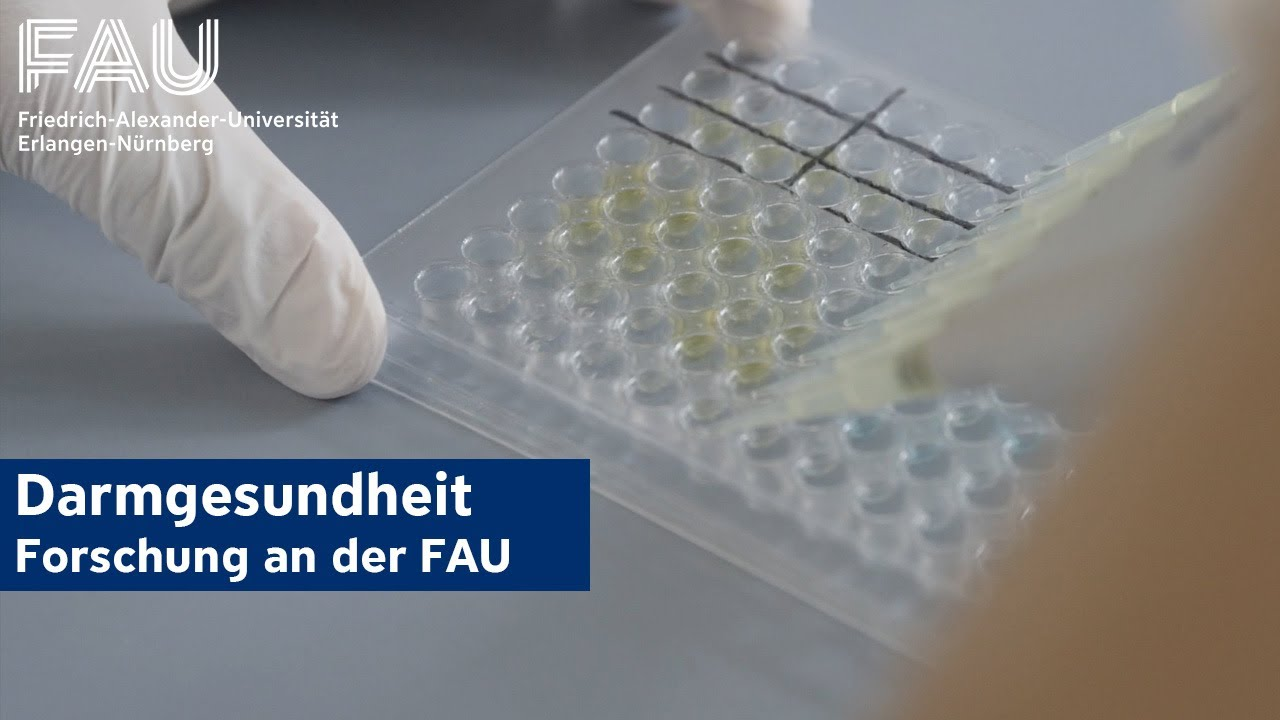
- Inflammatory Bowel Diseases: Multi-Omics Integration of the Gut Microbiome to Decipher Microbial Influencing Factors in IBD
- Induction of antibody responses against low immunogenic sugar structures of microbial pathogens
- Modulation of FcyRIV-positive intra-tumoral B cells for tumor therapy
- T-cell regeneration after CAR-T cell-based immunotherapy in patients with B-cell non-Hodgkin lyphom
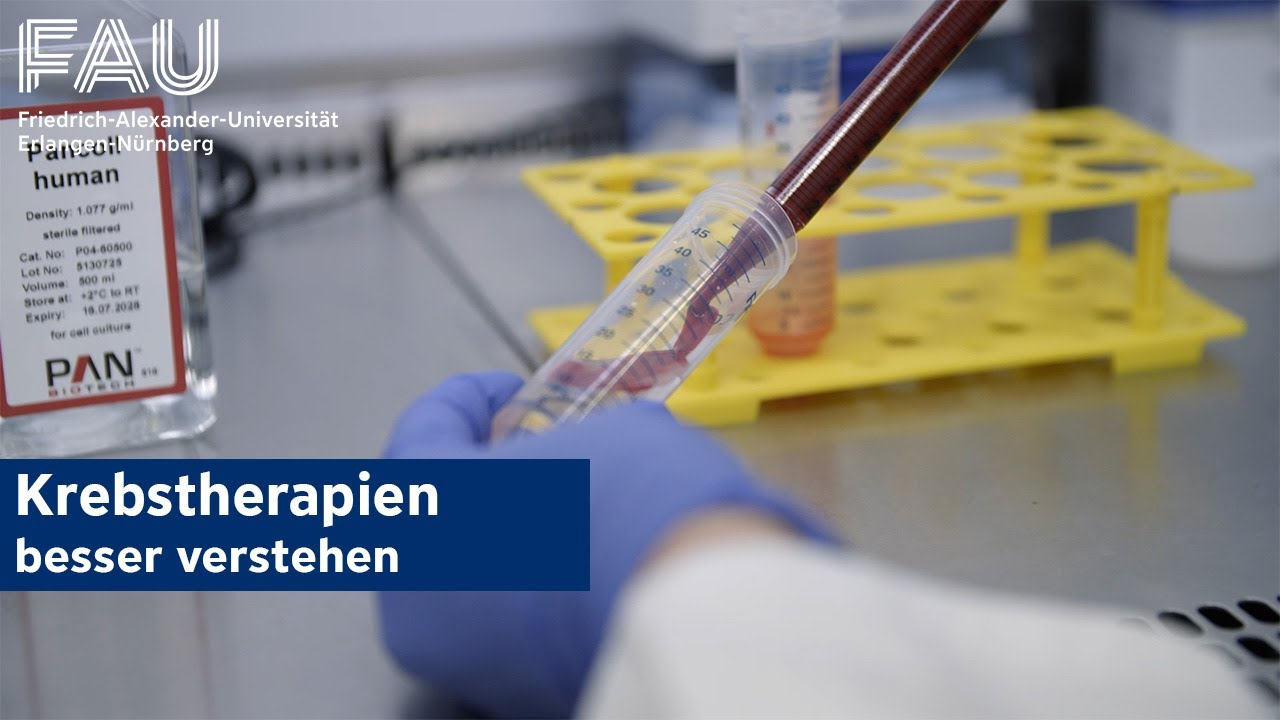
- Influence of amino acid metabolism on immune defense and colonization resistance to intestinal and skin infectious agents
Nuremberg Institute of Technology Georg Simon Ohm (TH Nürnberg)
Examples of Project:
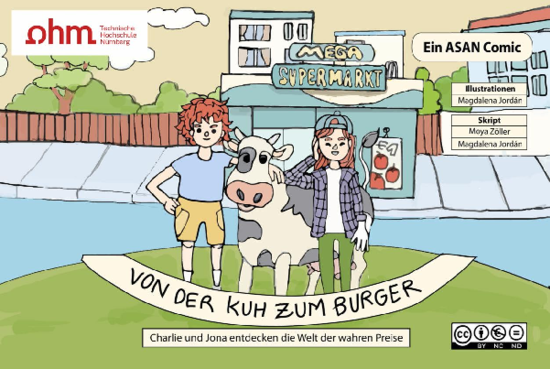
ASAN: From the Field to School - True Cost Accounting in Schools
How expensive is our food really?
What is the true cost of our food? This is exactly what the ASAN project shows in an innovative way. With an interactive simulation game and accompanying comics, students learn about the ecological, social and economic consequences of food production. From cows to burgers, hidden environmental and social costs are made visible - in an understandable, practical and exciting way.
In this way, sustainability is not only explained, but made tangible, and an important contribution is made to more conscious consumption and future-oriented thinking.Through education and awareness-raising work, the project lays the foundation for responsible decisions and responsible action by children and young people in order to create awareness of hidden costs and a discussion of nutrition at an early stage.
Carbon4Bac - Use of the greenhouse gas CO² as a raw material for bacterial bioprocesses
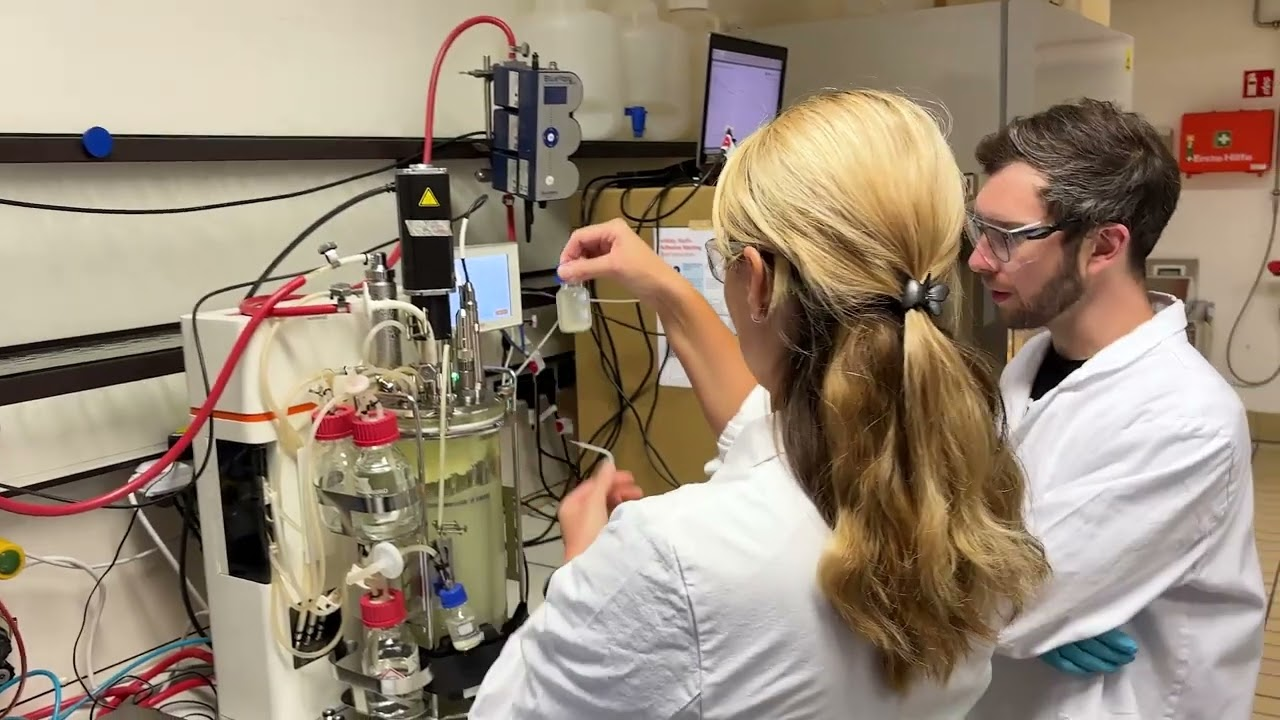
This project investigates how carbon dioxide (CO²) can be used as a raw material. With the help of bacteria, CO² is converted into valuable materials and made usable for industrial applications.
Innovative solutions for more efficient and sustainable production are emerging.
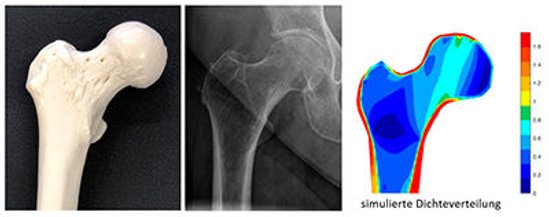
OSTEO-MODEL - An Advanced Continuum Model for the Numerical Analysis of Bone Remodeling Processes Considering Mechanical Stimuli and Bone Metabolism Aspects
Degenerative bone diseases are a widespread phenomenon in the world population. These conditions, partially caused by mechanical stress, nutrient deficiency, or hormonal disorders, lead to an increased fracture risk. Computer models and simulations are currently used in diagnostics and to determine therapy approaches. Mechanical stimulation can improve bone density, while biochemical factors like nutrients and vitamins are also crucial. The research project aims to model and simulate essential processes of bone remodeling, focusing on prevention, therapeutic approaches to improve individual bone constitution, and long-term bone development forecasts.
Fürth Clinic, Department of Neurology, Academic Teaching Hospital of FAU
ARTIS - The ART in STROKE PROJECT
The "ARTIS - The ART in STROKE PROJECT" research project examines the impact of art therapy on strakestroke patients in the Stroke Unit. This intensive care unit is exclusively dedicated to stroke treatment in a neurological clinic. The Stroke Unit at Fürth Clinic was first certified in 2014 and is among the ten largest Stroke Units in Bavaria, treating 1,000 stroke patients annually.
Background: Studies in psychological therapy research have shown that artistic activities positively affect mental health. Neurologically, complex processes occur in the human brain during artistic creation and regular engagement in these activities can potentially induce training effects for the brain. This effect may be therapeutically beneficial, but has not been sufficiently investigated. The impact of art and painting on rehabilitation processes after a stroke remains unclear. The "ARTIS - The ART in STROKE PROJECT" aims to address this gap. Initial study evaluations show that engaging with art in a Stroke Unit significantly benefits stroke patients. Previous research focused on patients' subjective assessments using structured questionnaires. The follow-up project will investigate long-term effects and specific stroke scales.
Paracelsus Medical Private University at Klinikum Nürnberg-Nord
Department of Internal Medicine 2, Focus on Geriatrics
PAINT – Preventive Art Intervention Therapy - Effectiveness of Art/Painting Therapy in Geriatric Patients (Outpatient and Inpatient)
Follow-up Project (from 2020): "DUERER – Older Adults in Nuremberg
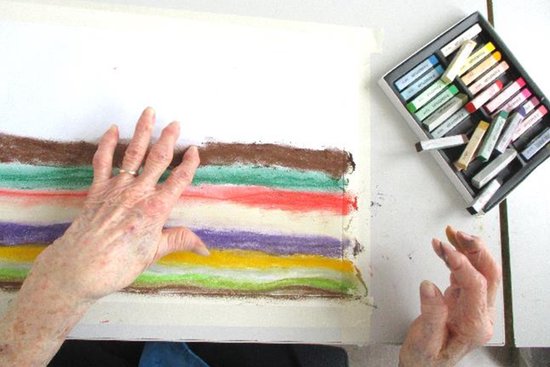
At the Paracelsus Medical Private University at Nuremberg Hospital, Campus North, Department of Internal Medicine 2 with a focus on geriatrics, studies have been conducted since 2017 on the research topic of the effects of art therapy on geriatric patients. The interdisciplinary DUERER study team conducts research in both outpatient and inpatient settings. The overarching goal of this broad-based research program is to design and scientifically verify specific art therapy treatment approaches that are individual, effective and sustainable. The research work to date is divided into the PAINT I and II studies and the DUERER studies I–VI. The information film "Creative Relief" gives a brief insight into the DUERER-V study. This study focused on stressed caregivers. Link to the information film: https://www.klinikum-nuernberg.de/behandlung/altersmedizin/geriatrie/geriatrie-campus-nord-sued/kunsttherapie/duerer-v
In January 2026, the new DUERER VII study in geriatric rehabilitation began. This specifically examines the effects of art therapy on multimorbid older patients in terms of well-being, quality of life and emotions.
The STAEDTLER Foundation has been supporting this pioneering work with its donations since the beginning. "If it turns out in the end that painting has a preventive function in the treatment of older patients, there is no better way to spend the money," says Wilhelm Wessels, Chairman of the Board of the STAEDTLER Foundation.
Department of Psychosomatic Medicine and Psychotherapy
Psycho-Biological Treatment Effects of Trauma-Focused Art Therapy in Patients with Psychological and Physical Trauma Disorders
The art therapy program at Paracelsus Medical Private University at Klinikum Nürnberg-Nord has specialized for years in treating patients with complex trauma disorders, particularly using trauma-focused art therapy. This therapy has proven effective in improving disease management, especially in psycho-oncological conditions.
Many studies investigating the therapeutic effectiveness of art therapy in trauma treatment have limited significance. To accurately research treatment effectiveness, it is essential to include biological markers in addition to measures of subjective symptom improvement. These markers can quantify the extent of reduced stress reactivity or cell damage. However, controlled studies on the biological, stress-related effectiveness of art therapy are lacking.
The study "Psycho-Biological Treatment Effects of Trauma-Focused Art Therapy in Patients with Psychological and Physical Trauma Disorders" aims to innovatively investigate the psychotherapeutic effects of art therapy on acute immunological and cellular stress reactivity in patients with trauma disorders.